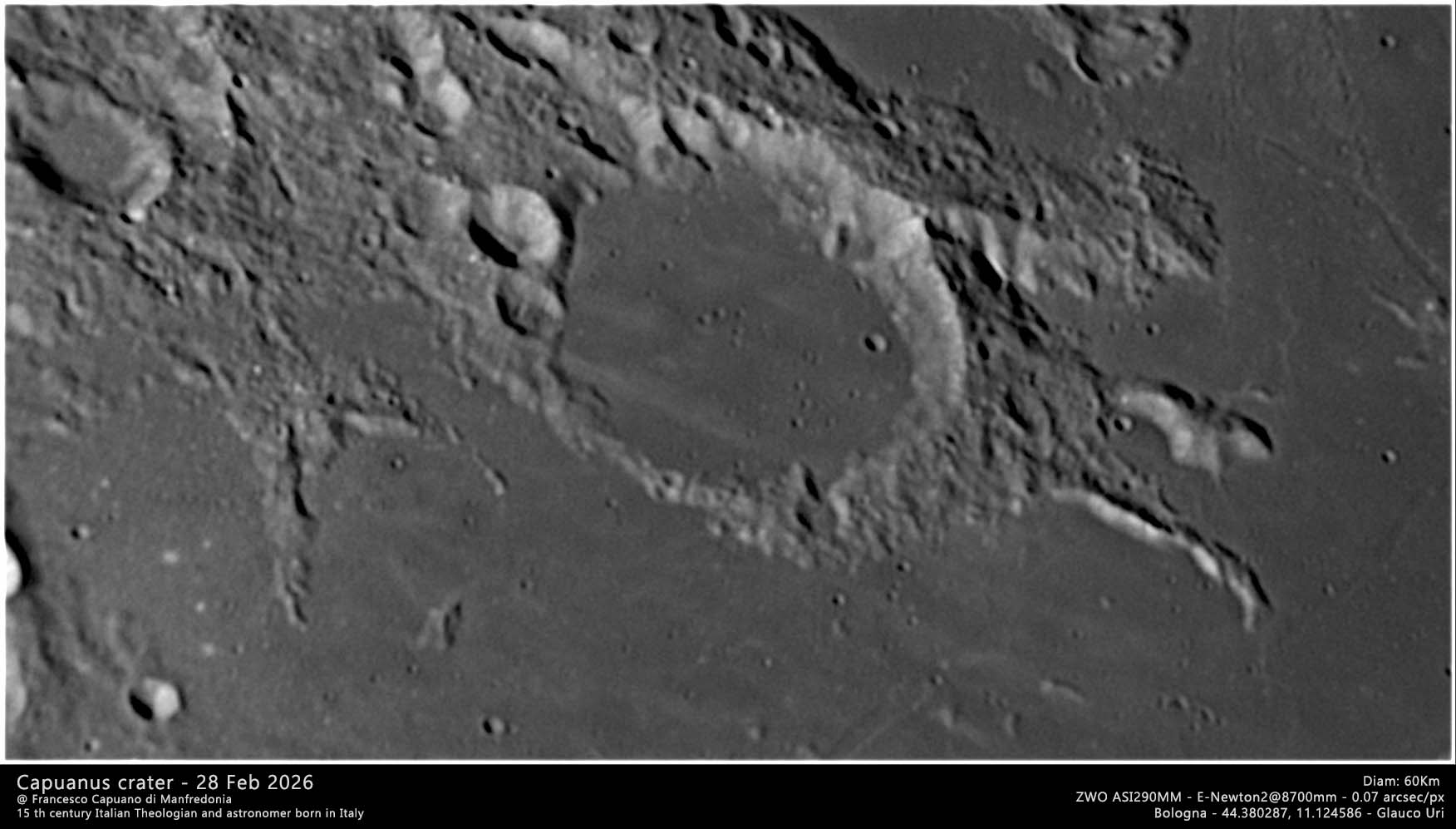
Capuanus crater
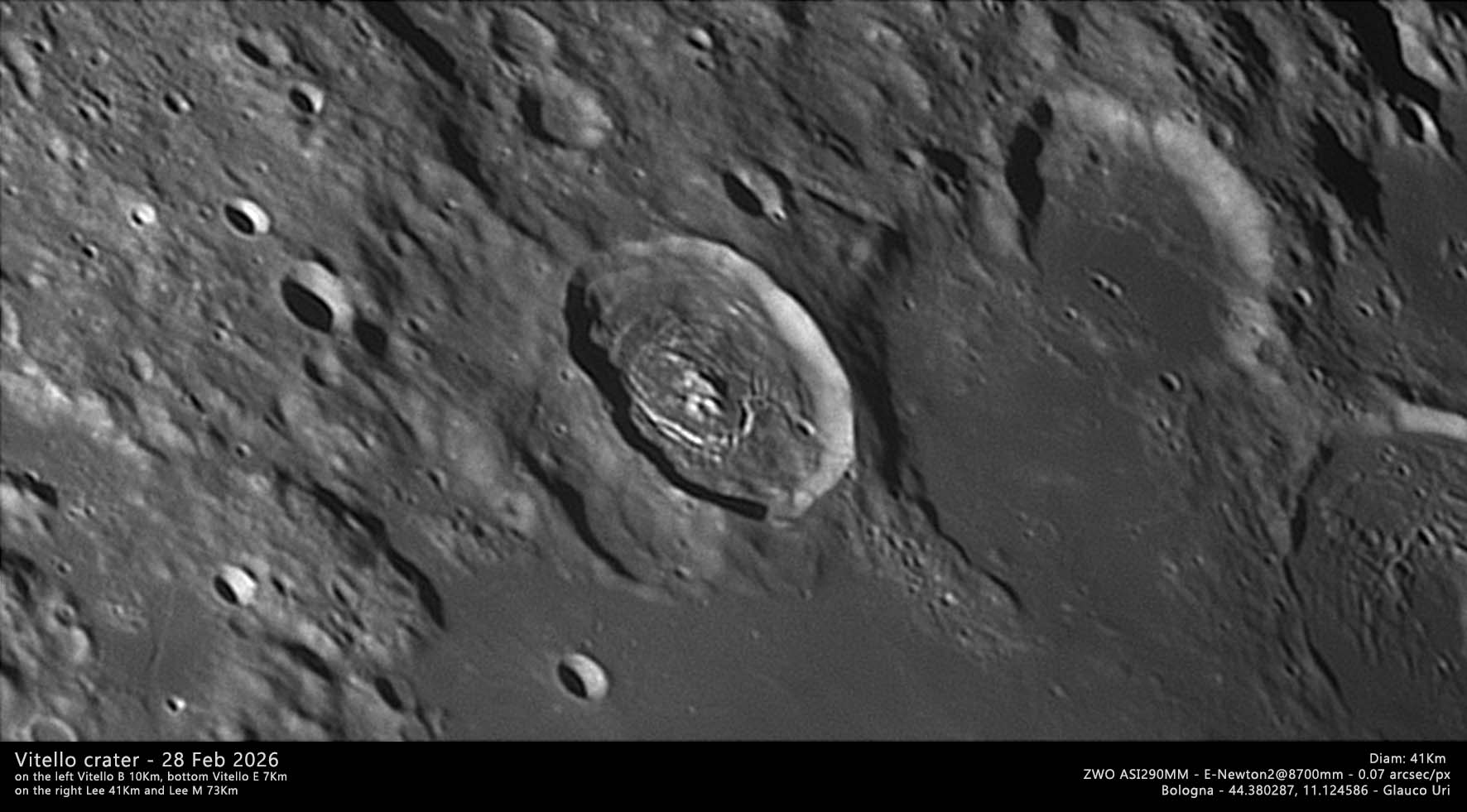
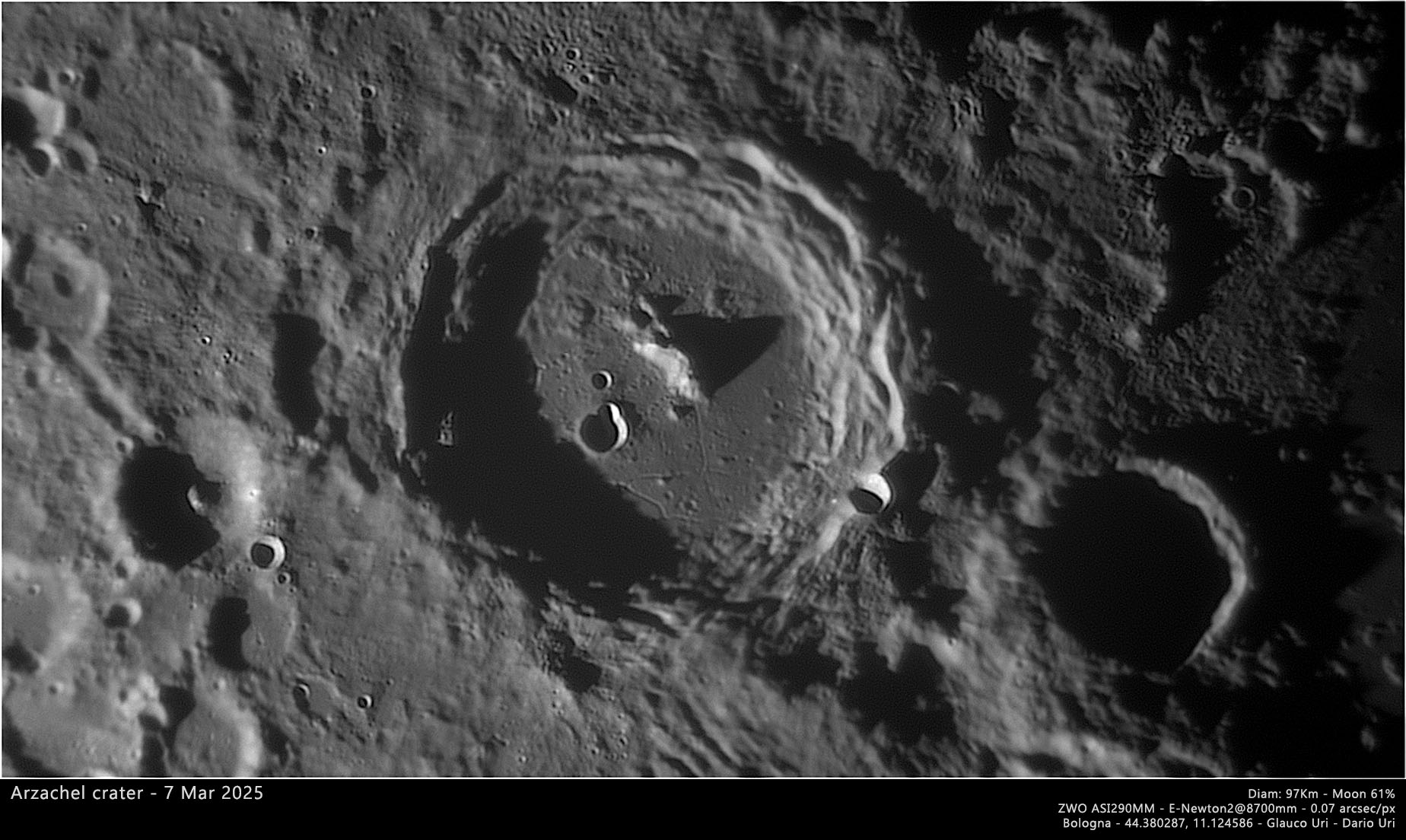
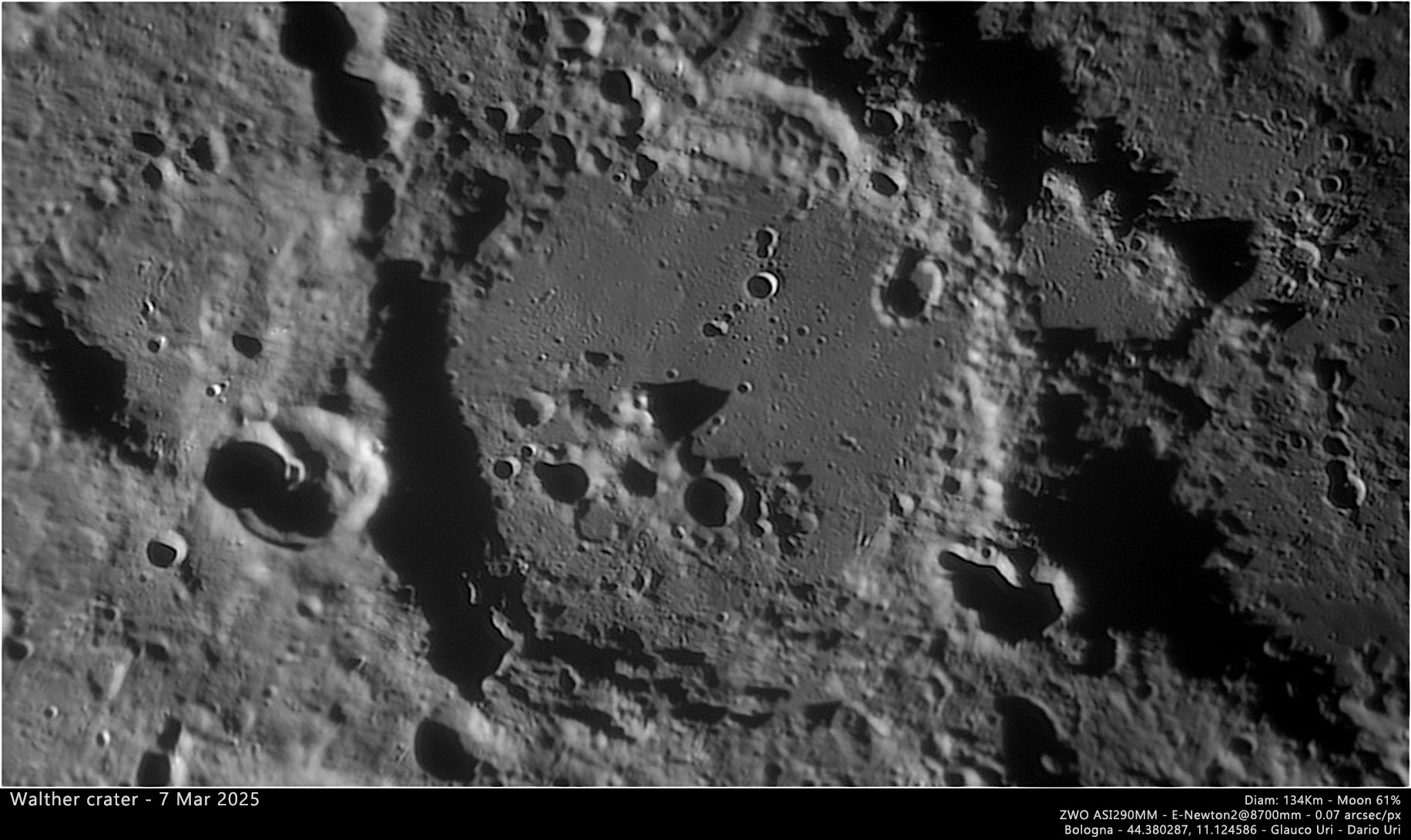
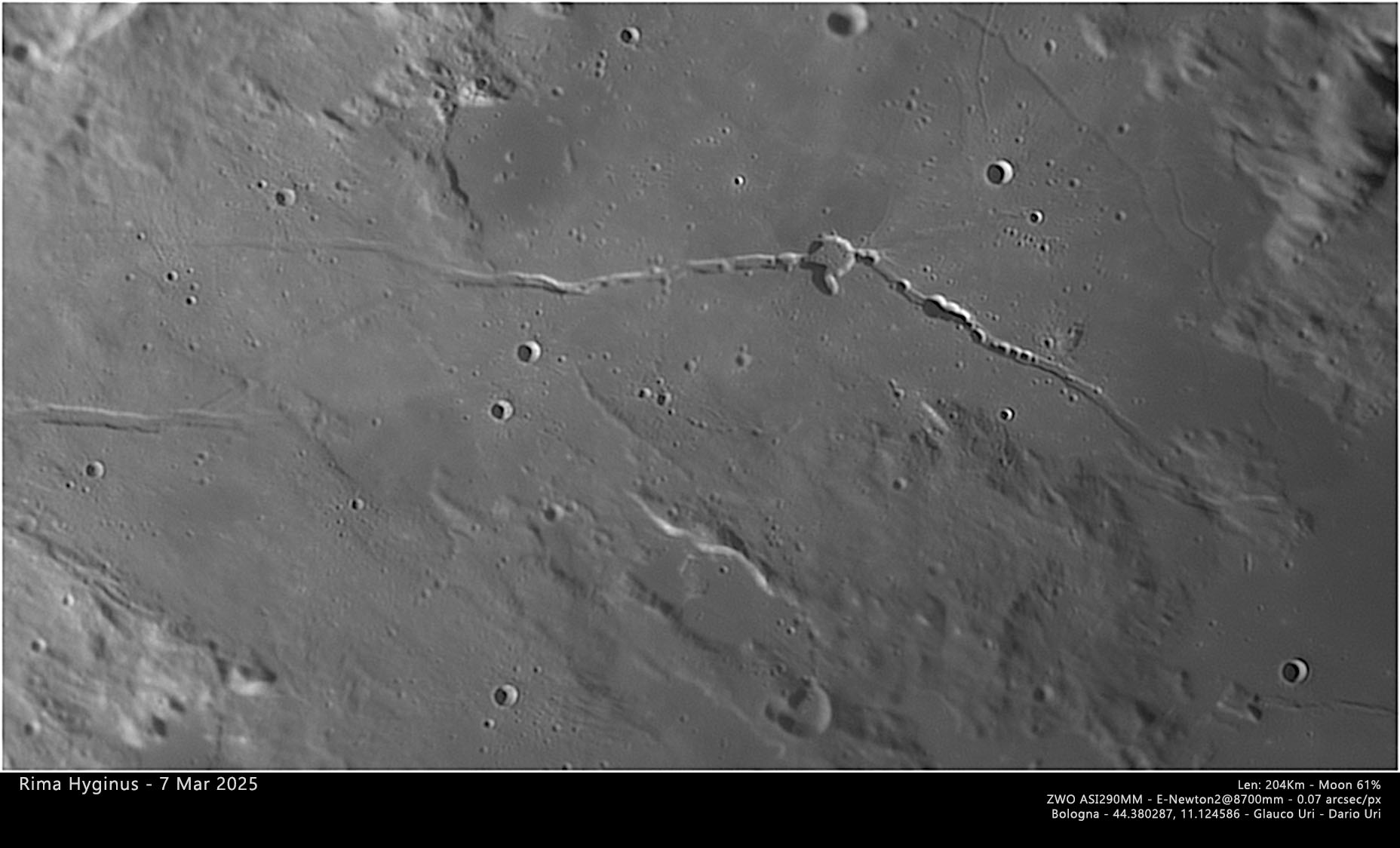
Date: 12 Jan 2025
Moon illumination: 98%
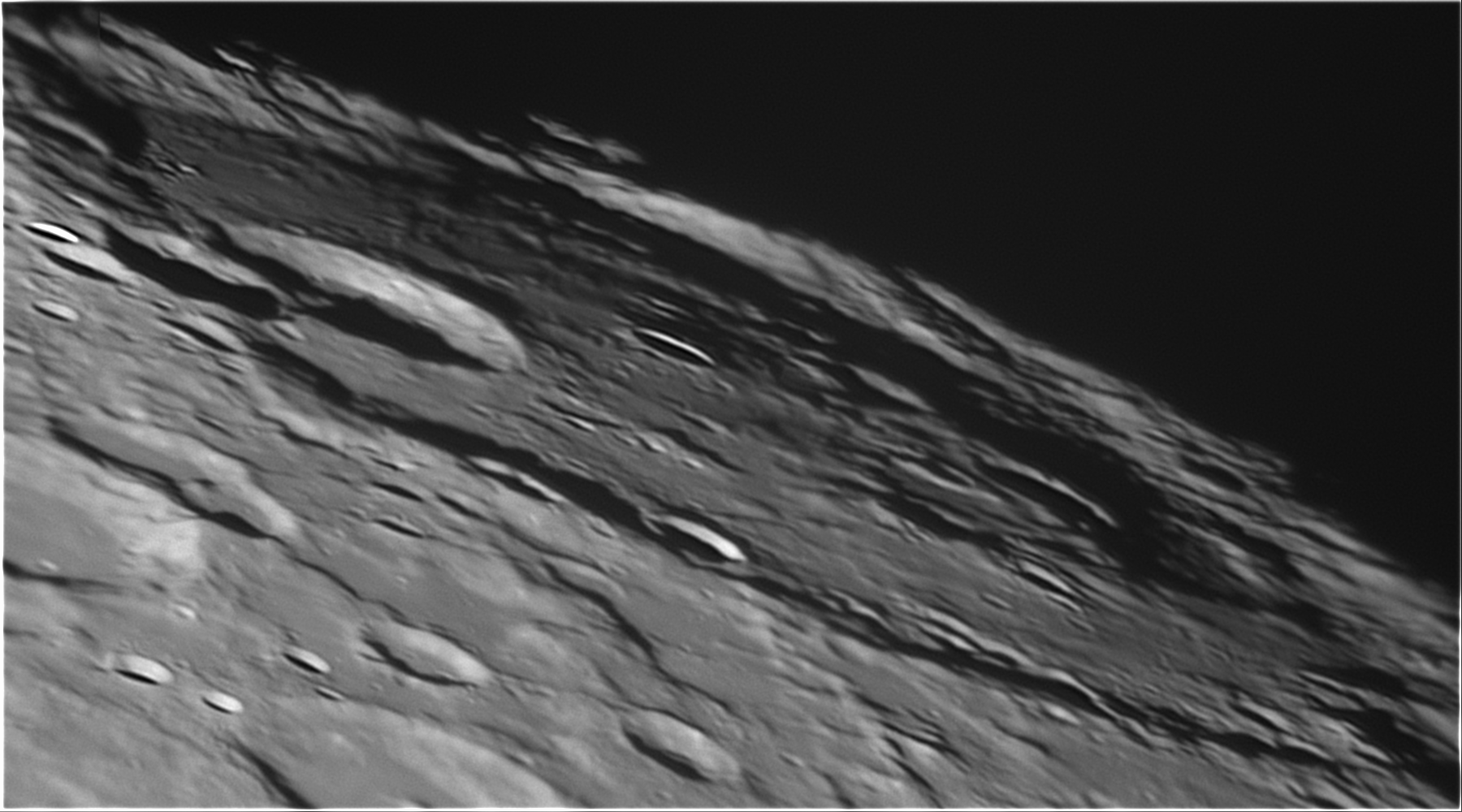
Dimension: 300x300Km
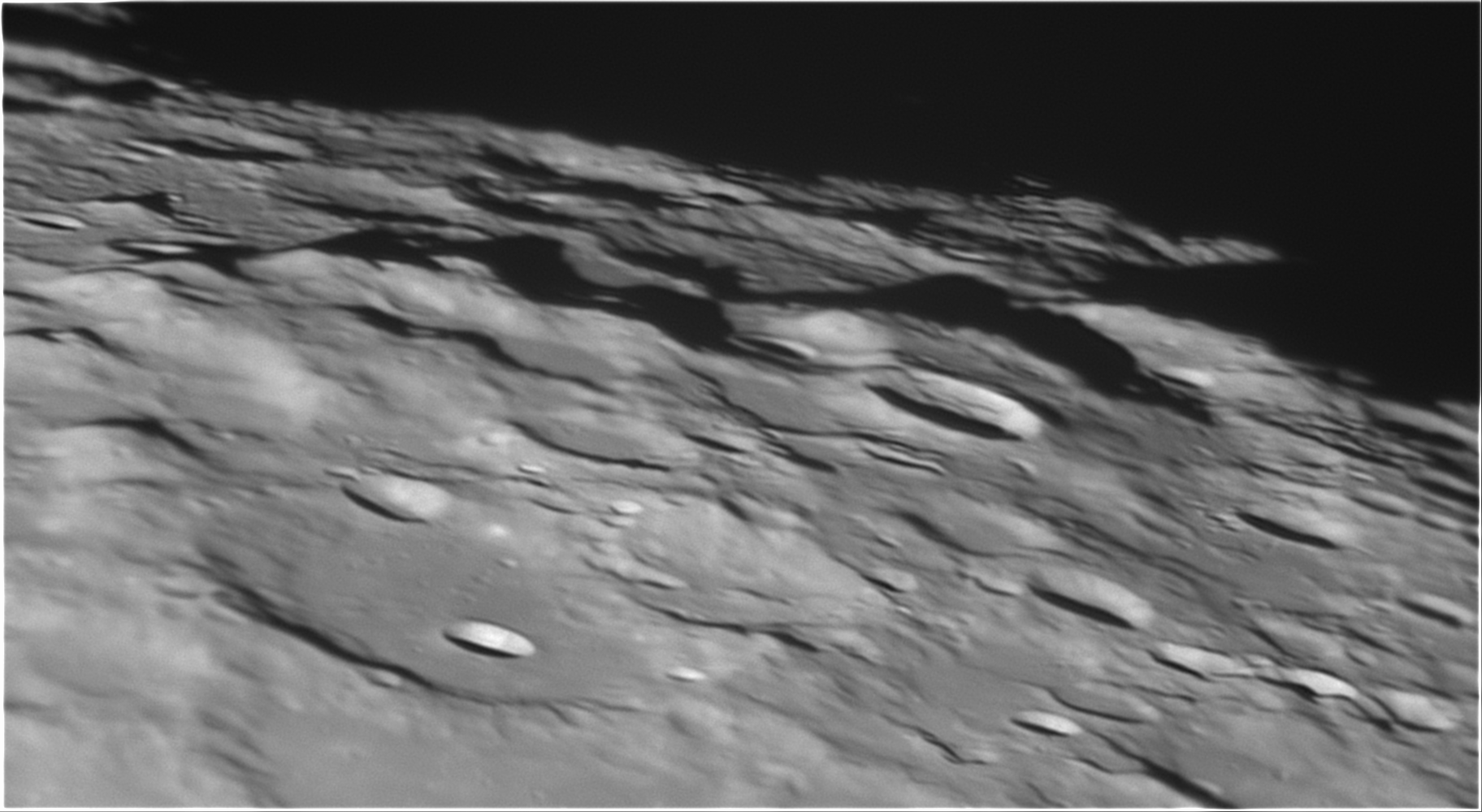
Dimension: 110x110Km
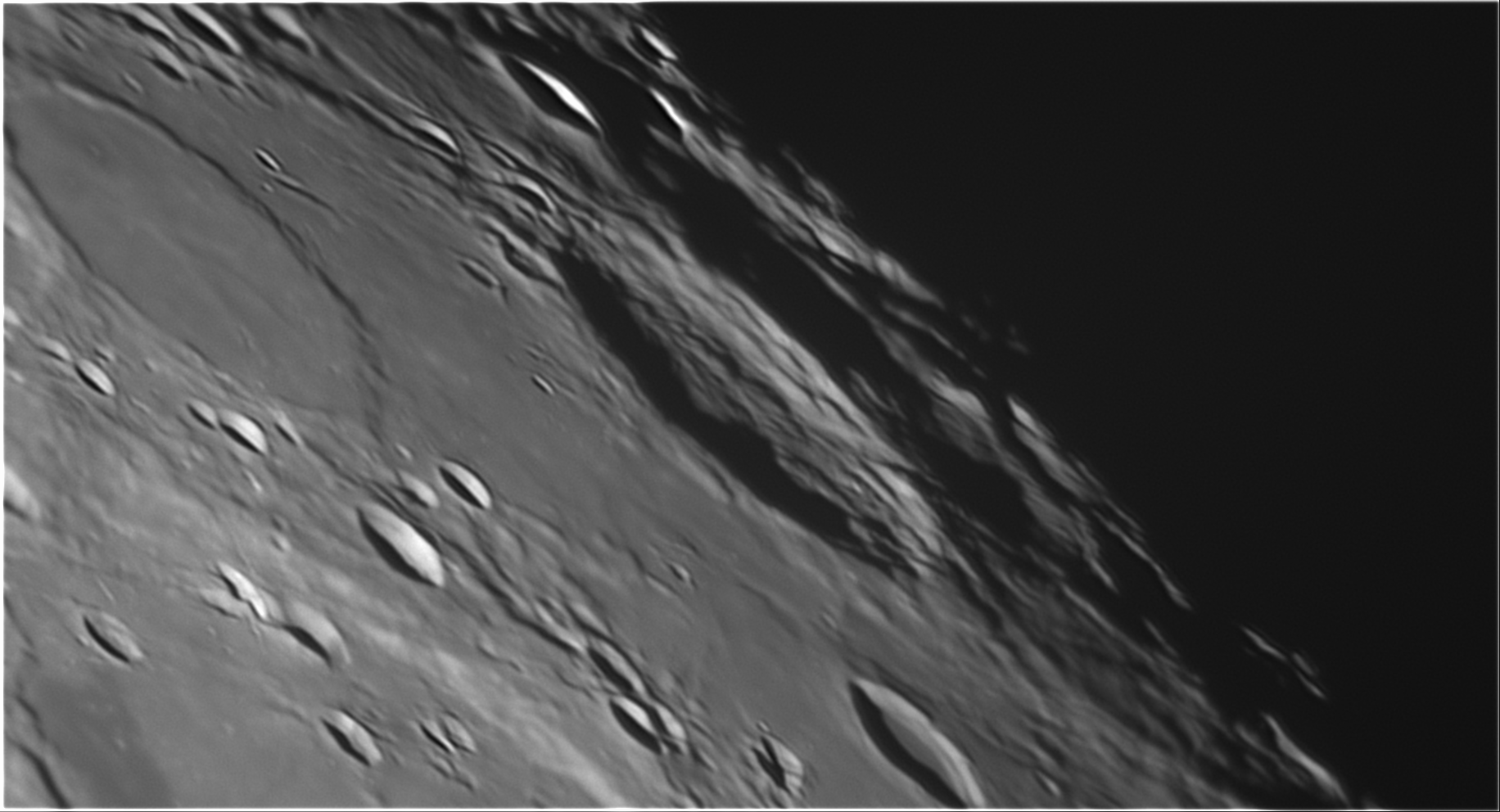
Dimension: 91x91Km
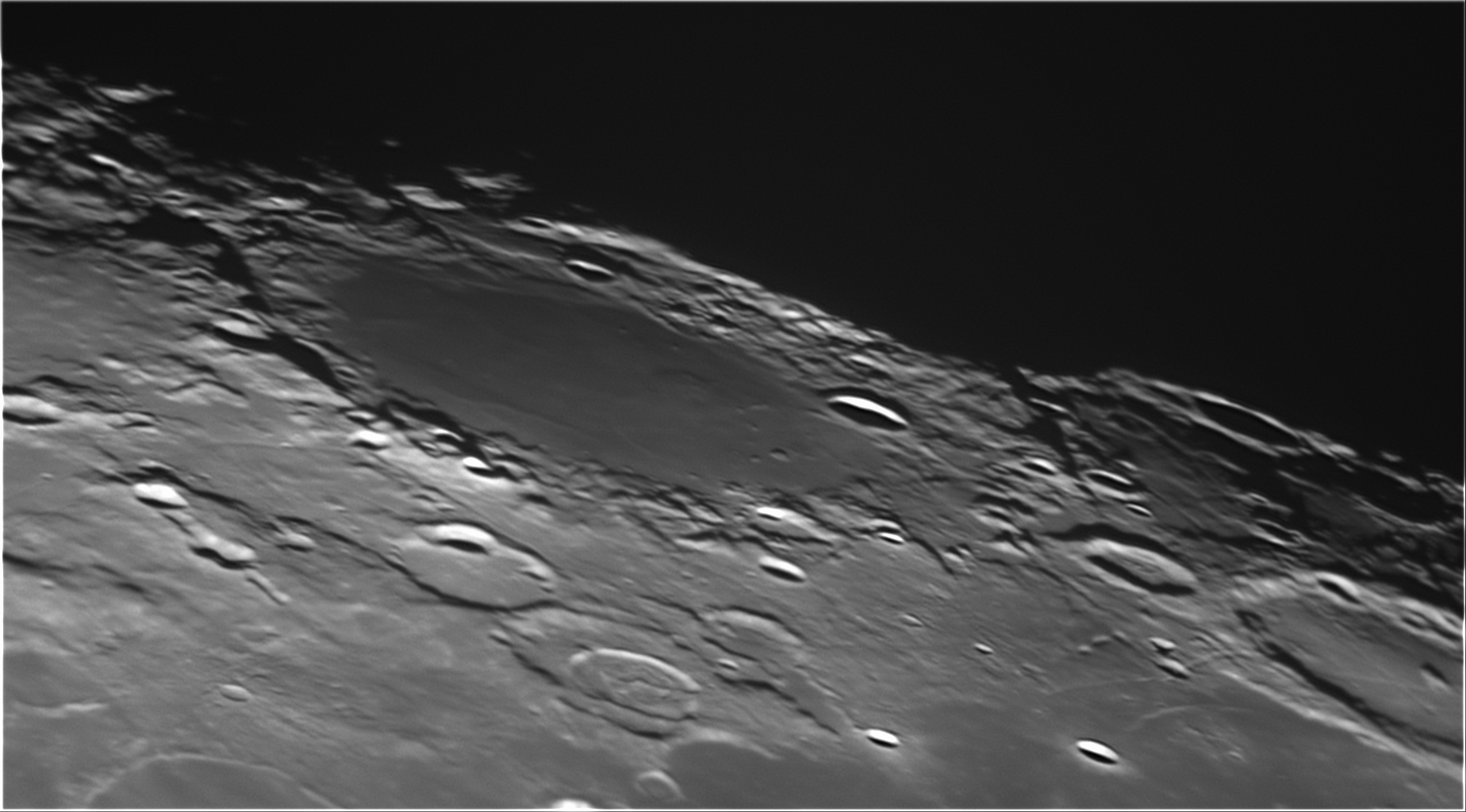
Dimension: 220x220Km
https://www.skyatnightmagazine.com/astrophotography/moon/grimaldi-crater
https://planetarynames.wr.usgs.gov/Feature/2252
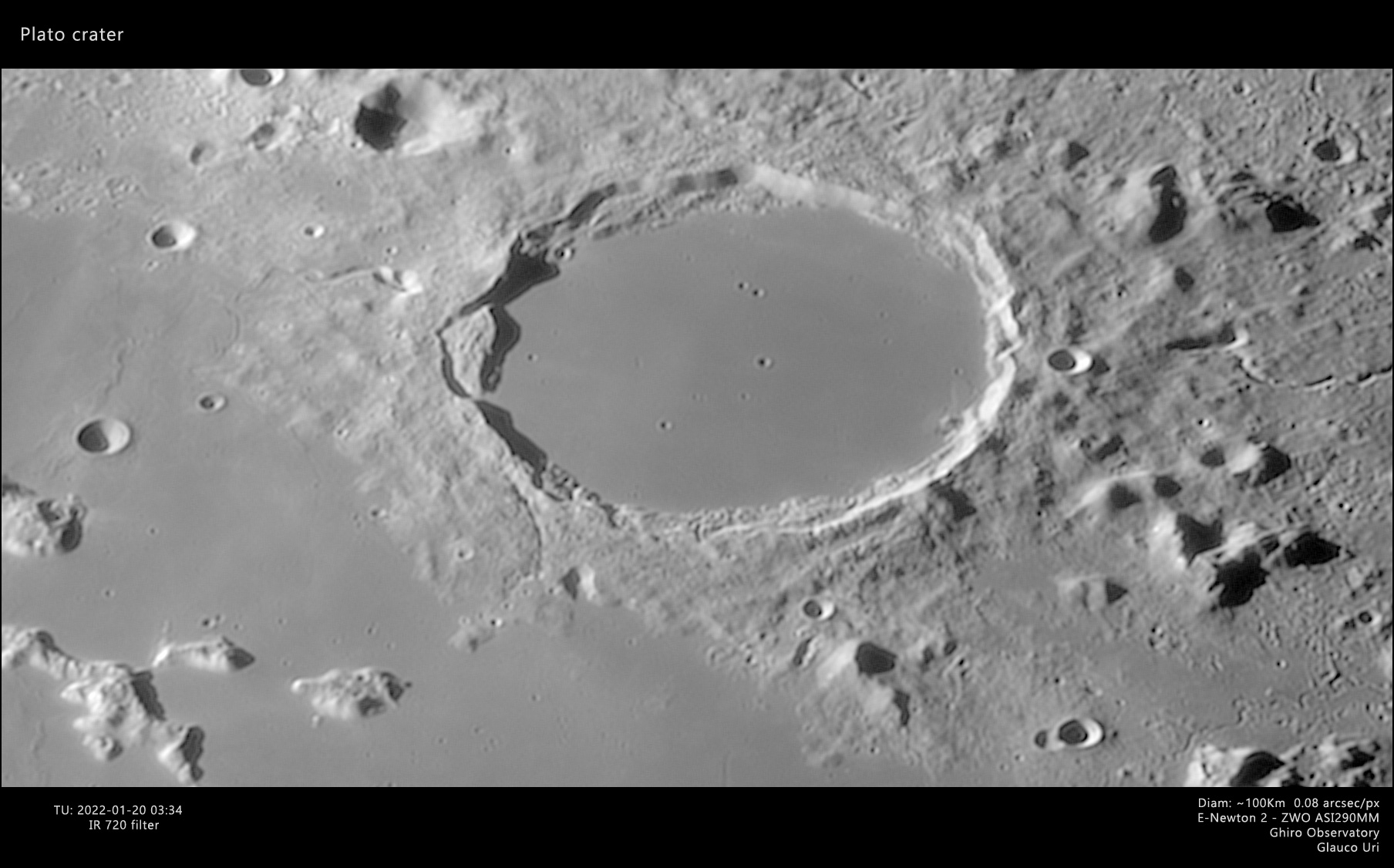
Based on Lunar Orbiter IV images we have some reliable measurements.
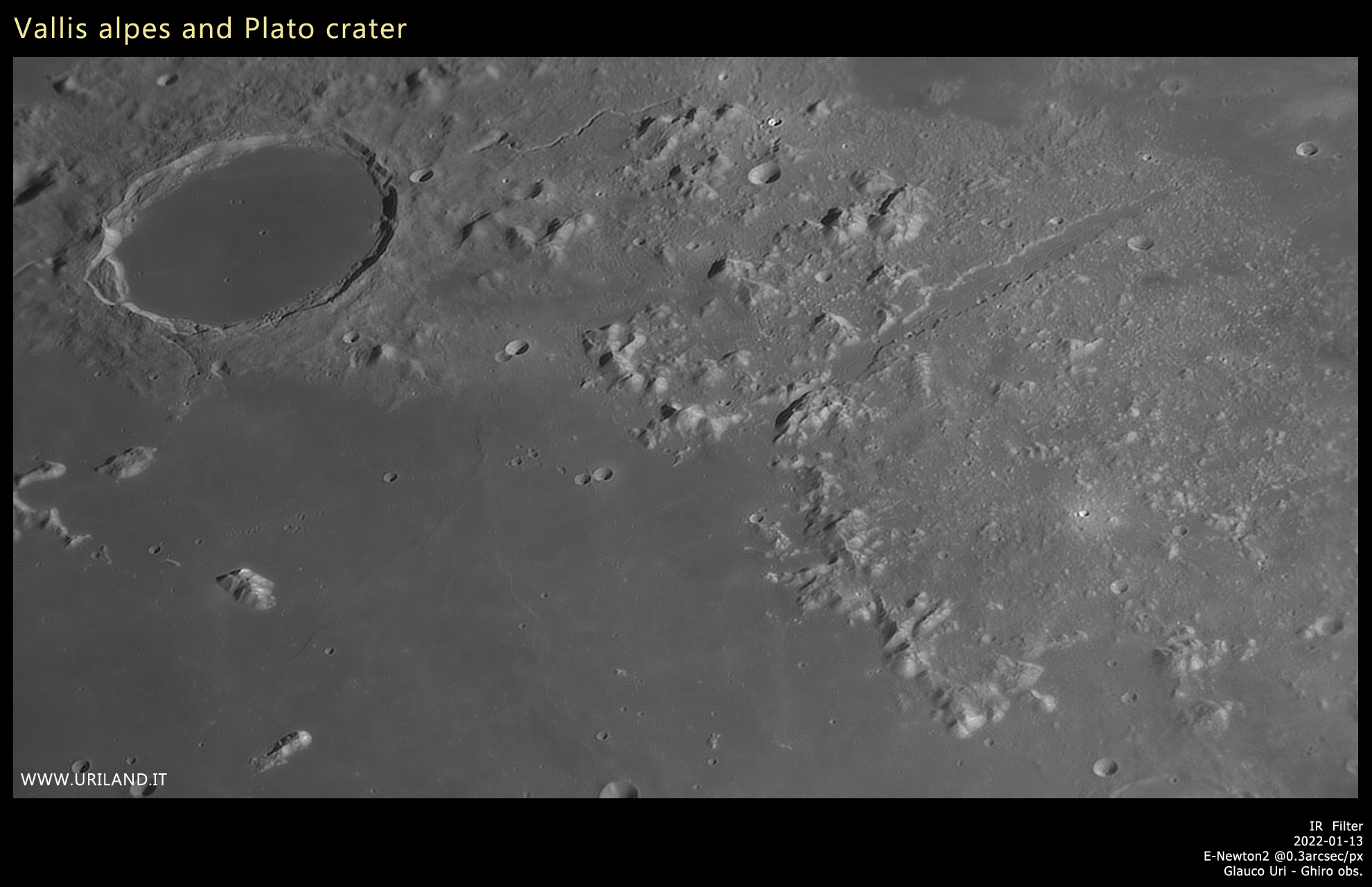
The crater itself is about 100Km diameter.
At south-west there is Montes Teneriffe, its elevation was of 2.4Km and a base diameter of 112 Km, at the right the Plato rimae (incomplete in the picture)
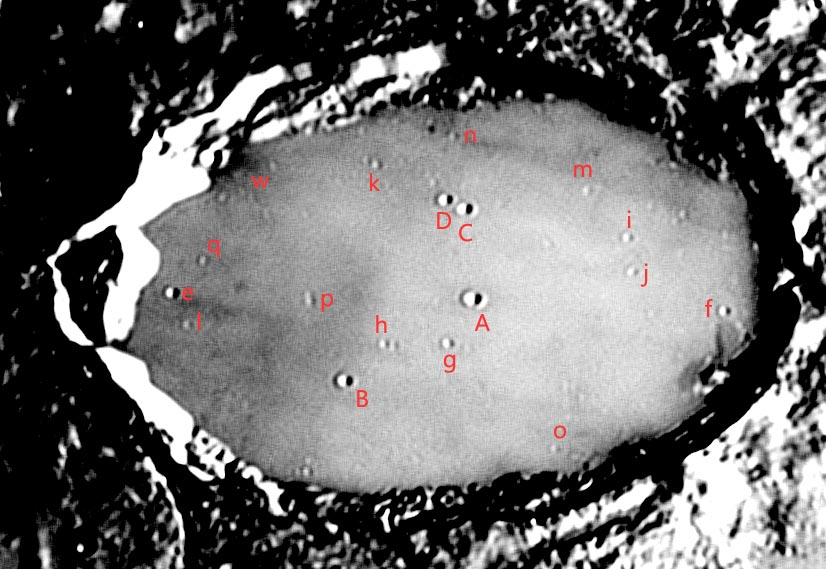
Internally we have the big four
A = 1.7 miles (2.7 km)
B = 1.5 miles (2.4 km)
C = 1.5 miles (2.4 km)
D = 1.3 miles (2.1 km)
+1 on the west-northwest wall
W = 2.0 miles (3.2 km)
The “Little Four”
e = 1.2 miles (1.9 km)
f = 1.0 miles (1.6 km)
g = 0.94 miles (1.5 km)
h = 1.4 x 0.8 miles (2.2 x 1.3 km)
The “Tiny Nine”
i = 0.7 miles (1.2 km)
j = 0.6 miles (1.0 km)
k = 0.7 miles (1.3 km)
l = 0.6 miles (1.0 km)
m = 0.7 miles (1.2 km)
n = 0.7 miles (1.1 km)
o = 0.7 miles (1.1 km) (double craterlet)
p = 0.7 miles (triple craterlet)
q = 0.6 miles (1.0 km) (double overlapping crater)
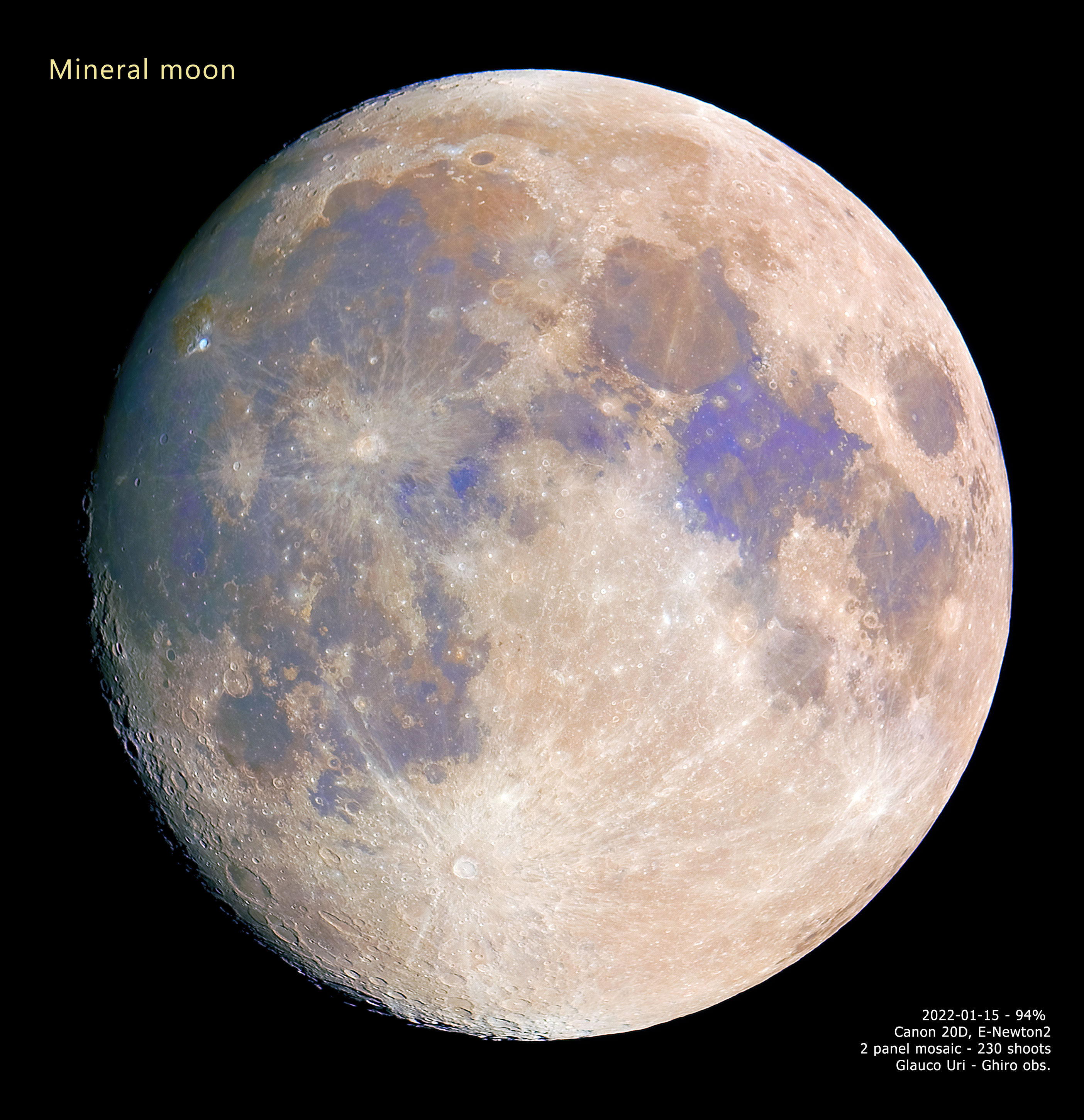
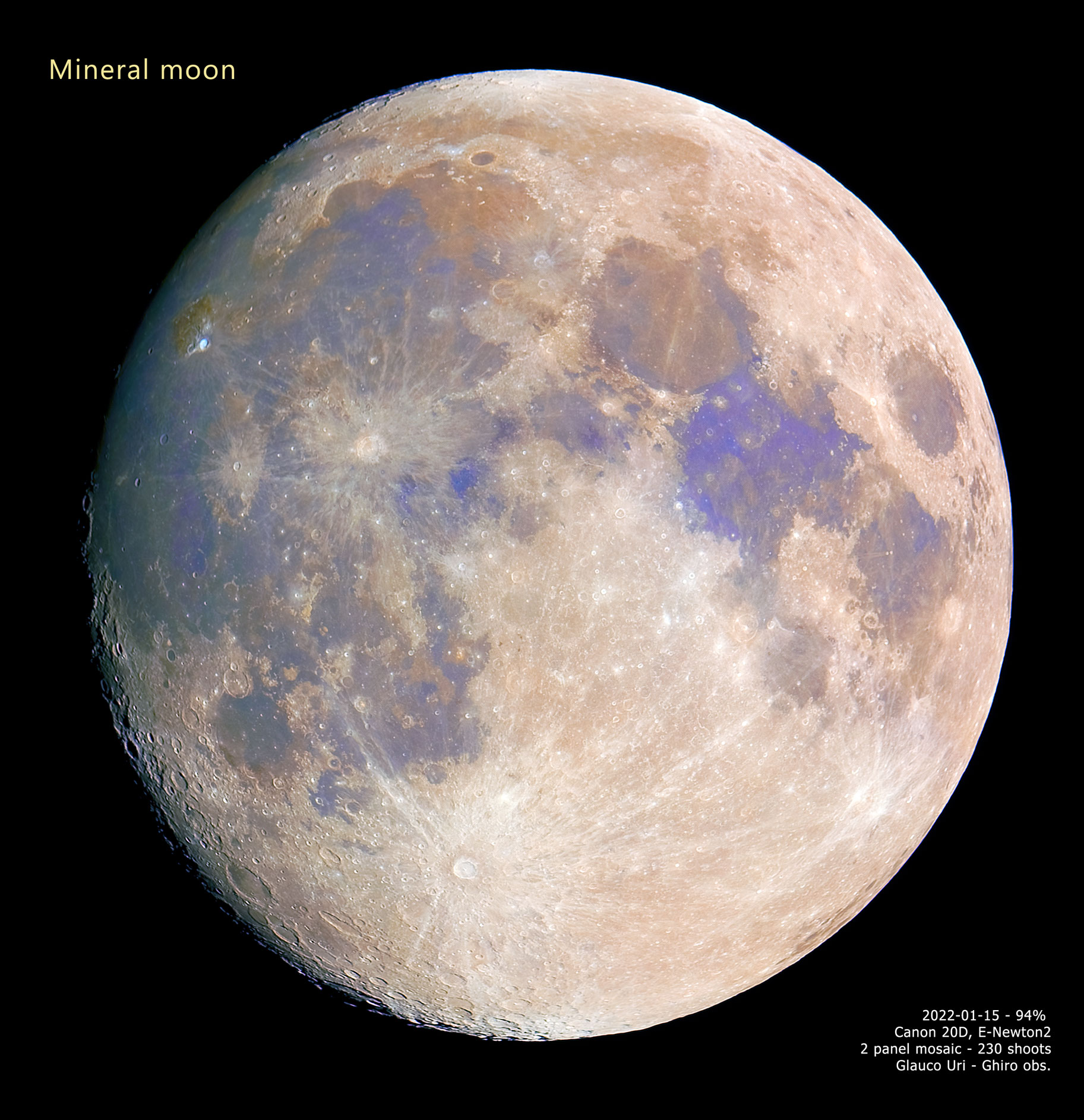
This panel is a mosaic of 2 sequences. Each sequence is of 100 shoots. This kind of processing emphasizes the weak coloring of minerals.
Link to the hi-res version
This is for sure one of the most beautiful view of the moon, Plato on the left and the vallis alpes on the right.
It has a diameter of 100Km, the central crater is only of 10Km, it is one of the shorter crater with only 1.3Km of depth.
A curiosity is that this valley was discovered in 1727 by Francesco Bianchini and has magmatic origin
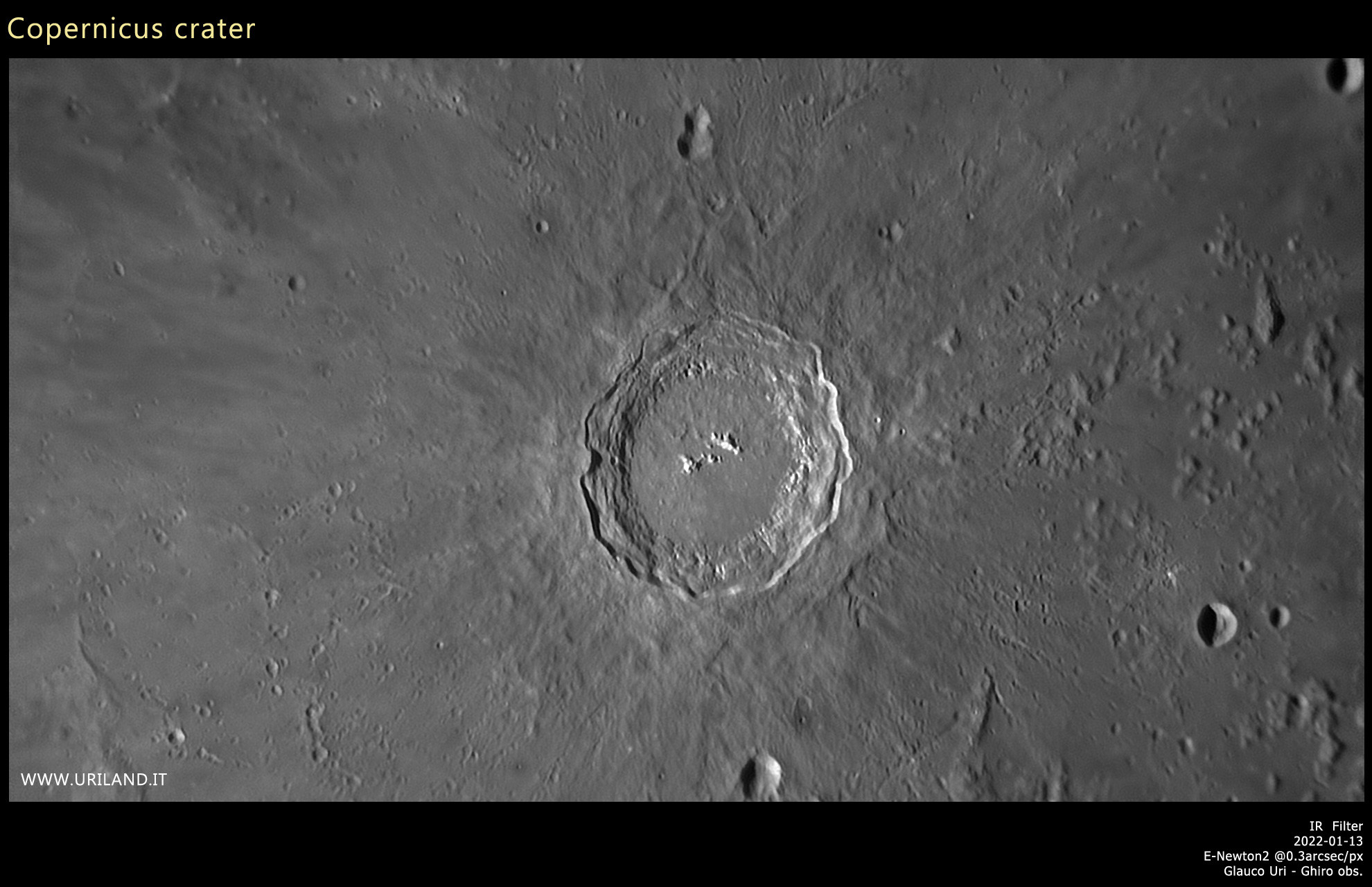
Copernicus is for sure one of the most photographed craters on the moon, 93 Km of diameter has ‘only’ 800 million years old. The central peak is only 1.3Km and is one of the most studied create by the NASA.